This is an example of what Provley writes. It was built only from facts an expert at our example customer approved, and the origin of every figure is shown. The figures are illustrative.
A mid-size warehouse in Spain has three things going for it as a solar site: a large flat roof, a daytime electricity load, and some of the most reliable sunshine in Europe. Put together, they make the payback calculation unusually simple. This is what the calculation looks like, using a real installation.
The installation
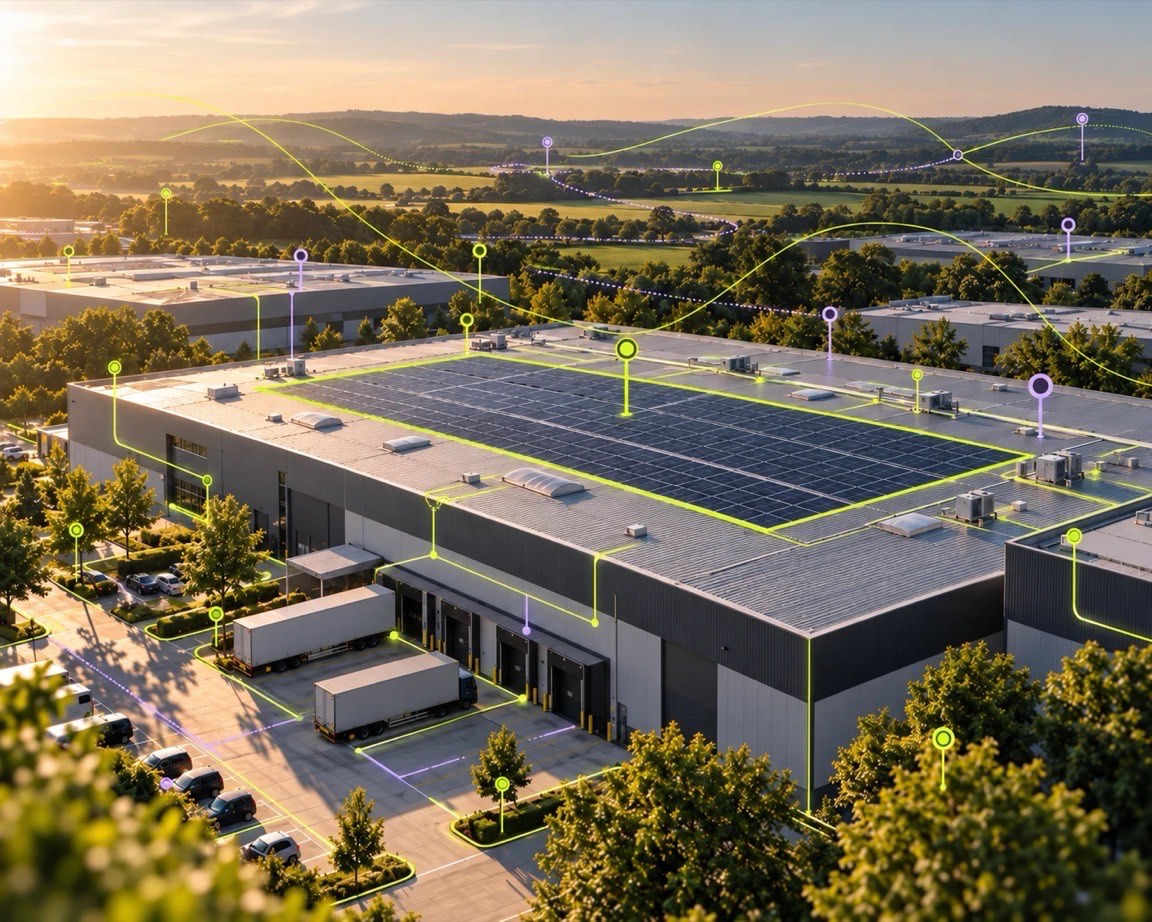
A 320 kW system on a distribution warehouse near Valencia, completed in March. “In its first year it saved just over 41,000 euros against the bill the site would otherwise have paid,” says Maria Ortega, Head of Engineering at Solarvia, who ran the project. The roof carried the panels without structural work, which is usual for a steel-framed warehouse built in the last twenty years and should be confirmed by a survey for anything older.
Why the payback is short
A warehouse uses most of its electricity during the day: lighting, conveyors, chargers for forklifts, refrigeration where there is any. That is when the panels generate. The more of the generated power the site uses itself, rather than exporting it, the better the return, because the saving is at the price the site pays, not the lower price the grid pays for exports.
“For a mid-size warehouse in Spain, payback on rooftop solar is now under six years, sometimes five and a half,” Ortega says. “The variables that move it are the daytime load, the roof orientation and the tariff. Sunshine is the one thing we never have to worry about.”
What it costs to find out
A survey, a year of half-hourly meter data, and a proposal with the payback stated as a figure with its assumptions. A proposal that gives a payback without the assumptions behind it is not one to sign.
Emissions
The same 320 kW system displaces grid electricity with a carbon intensity that varies by hour and season. Over its first year the site’s reported Scope 2 emissions fell, and the figure is in its sustainability report rather than here, because it was calculated by the site, not by the installer, and this article only states what its named source can stand behind.
What to ask an installer
How many systems of this size they have fitted, and where. Whether they will state the payback with its assumptions. Who in their business did the calculation, and whether you can speak to them. The answers to those three questions tell you more than any brochure.
Facts in this article: Maria Ortega, Head of Engineering, Solarvia, approved 12 August 2026. Written by Provley in Solarvia’s voice. Nothing was published until Solarvia approved it.